- Welcome Guest
- Sign In
- Welcome Guest
- Sign In

A new study suggests Apple could expand the foldable smartphone market by attracting mainstream buyers who have yet to embrace the category.

Nvidia and Microsoft are betting that powerful AI agents belong on personal computers, introducing RTX Spark systems designed to bring data center-class AI performance to Windows PCs.

As AI infrastructure expands, modular data centers may offer a path to lower resource consumption and greater community acceptance.

Google I/O 2026 revealed a far more aggressive AI strategy than many expected. Rob Enderle explains what this could mean for the future of apps, work, and computing.

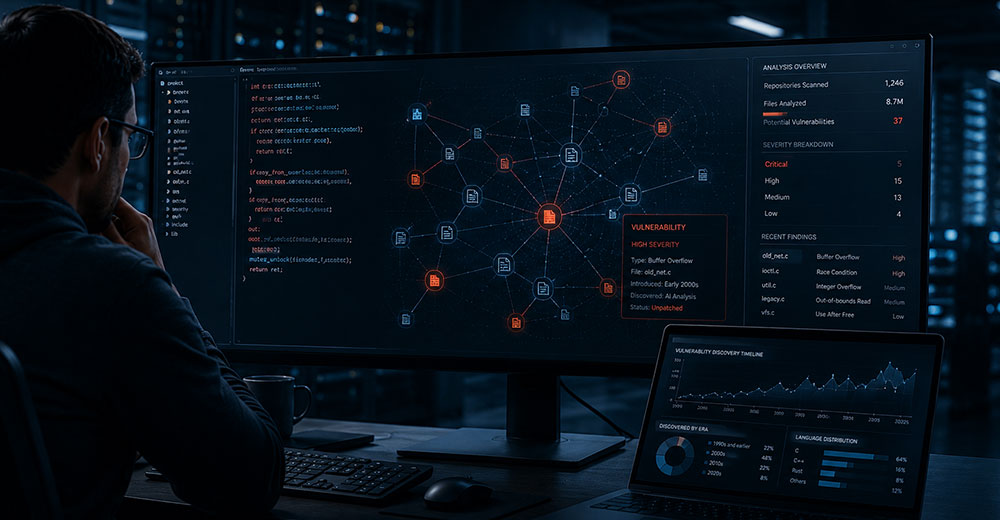
A newly disclosed Linux privilege escalation flaw dubbed "Dirty Frag" is raising concerns among security researchers who warn it could give attackers reliable root access across a wide range of enterprise environments.

Apple is reportedly exploring U.S.-based chip production partnerships with Intel and Samsung as geopolitical tensions and supply chain concerns push tech companies to diversify manufacturing beyond Taiwan.

Super Productivity stands out with flexible workflows, offline-first design, and free syncing. It adapts to how you work instead of forcing structure, making it one of the most practical tools I've used.

As AI demand accelerates, infrastructure limits are emerging as the real bottleneck. Power, cooling, and supply chains now shape deployment timelines and ROI.

OpenAI may be exploring an AI agent smartphone, signaling a potential move beyond apps toward a more integrated, assistant-driven mobile experience.

Apple’s leadership transition to John Ternus raises a critical question: will continuity preserve success or slow the company’s ability to innovate?

Adobe is targeting the AI control layer for customer experience, linking creative tools, data, and workflows as enterprises face scaling challenges.

Enterprise AI demand is rising, but most GPU capacity remains idle, exposing costly overbuying and inefficiencies.

Rumors that Nvidia could acquire a major PC maker signal more than a bold expansion — they point to a potential shift toward fully integrated AI systems that challenge the long-standing WinTel model.

Hyperscale data center development is shifting inland as AI demand surges, with Texas and Midwestern states gaining ground due to power availability, lower costs, and faster permitting.
 Loading ...