
Microsoft has unveiled the public beta of its Forefront enterprise security product, known as “Stirling.”
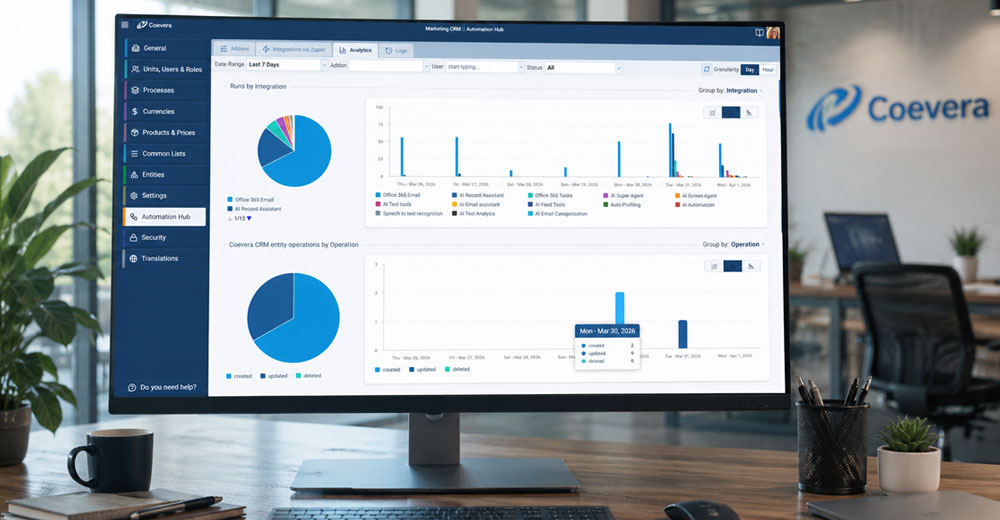
This is a single product that delivers coordinated protection across desktop and server applications and the network edge. It comes with a single dashboard that shows all the systems protected by Stirling.
“Stirling covers the end points, Microsoft Exchange Server, Sharepoint and Office Communications Systems, which is Internet messaging, and the Threat Management Gateway,” Paul Bryan, Microsoft’s director of Forefront security products, told TechNewsWorld.
“Threat Management Gateway” is the name of the next version of Microsoft’s Internet Security & Acceleration (ISA) Server. This is scheduled for release next year, Bryan said.
Smart Security
Stirling also provides dynamic responses to emerging threats. Its technologies act as a distributed system and share information with each other so they can correlate security information to identify previously unknown or complex threats.
System administrators can configure Stirling’s protection technologies to dynamically respond to these threats.
If, for example, a previously unknown piece of malware infects a computer, the servers and desktops it connects to will check to see what it is doing and why, and will inform the network edge security part of Forefront, which will deal with the affected machine.
Infrastructure Integration
Stirling is integrated tightly with Active Directory, Windows 2008 Server, Windows Vista, Active Directory Federation Services (ADFS), Windows Rights Management Services (RMS), Network Access Protection (NAP), Windows CardSpace, Microsoft Forefront, Identity Lifecycle Manager, Microsoft Systems Center and Microsoft Office.
Tight integration at the back end means users “can quickly and easily set up your system for administration and set up policies,” Bryan said.
Protection against malware and spam as well as content filtering and firewall services are also integrated into Stirling.
Policy enforcement is simplified. If, for example, your policy forbids forwarding a particular document to unauthorized recipients but somebody forwards it anyway, the system will not let the unauthorized recipient read or open the document.
Ease of Management
Integration with NAP lets administrators control network access by machine or by user.
Companies who use outside staff or contractors will find this helpful: When a contractor or consultant tries to hook into the enterprise’s network, the network “will check the device to ensure it meets the enterprise’s criteria and conforms to its policies before it allows it onto the network,” Bryan said.
Networks can be preconfigured to automatically upload patches or other applications the contractor’s device will need to meet the enterprise’s criteria.
Stirling has a single management console across client, server and network edge security. This will work with Microsoft System Center or other existing consoles in an enterprise, Bryan said.
“Customers are looking for ways to get overall visibility, lower total cost of ownership and lower complexity,” Bryan added. “We’re bringing together security in a unique way with a full set of offerings.”



















 Loading ...