- Welcome Guest
- Sign In
- Welcome Guest
- Sign In

Could Jony Ive, with his unparalleled design pedigree and a little bit of AI whispering in his digital ear, finally be the one to birth truly revolutionary AI hardware?

Care management platform DexCare is applying artificial intelligence in an innovative way to fix health care access issues. Its AI-driven platform helps health systems overcome rising costs, limited capacity, and fragmented digital infrastructure.

With sweeping product announcements across GPUs, CPUs, and AI PCs, AMD is signaling that its transformation from a high-performance computing stalwart to a full-spectrum AI leader is well underway.

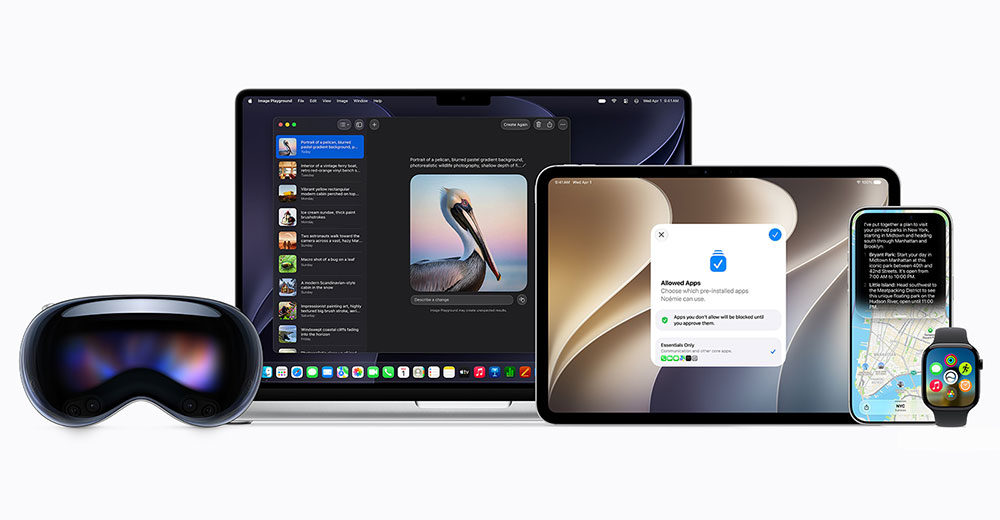
Apple’s new brain-to-computer protocol in Switch Control enables iOS, iPadOS, and visionOS devices to support hands-free, thought-based interaction.

The future of entertainment looks less like a pre-recorded show and more like a live performance — one that reacts to us in real time, whether we’re ready or not.

For Infineon Technologies, Matter’s emphasis on built-in, standardized security isn’t just a feature -- it’s central to the company’s long-term strategy.

Meta’s Llama 2025 roadmap highlights faster, multilingual, and more accessible AI models, signaling a major shift toward open-source innovation across industries.

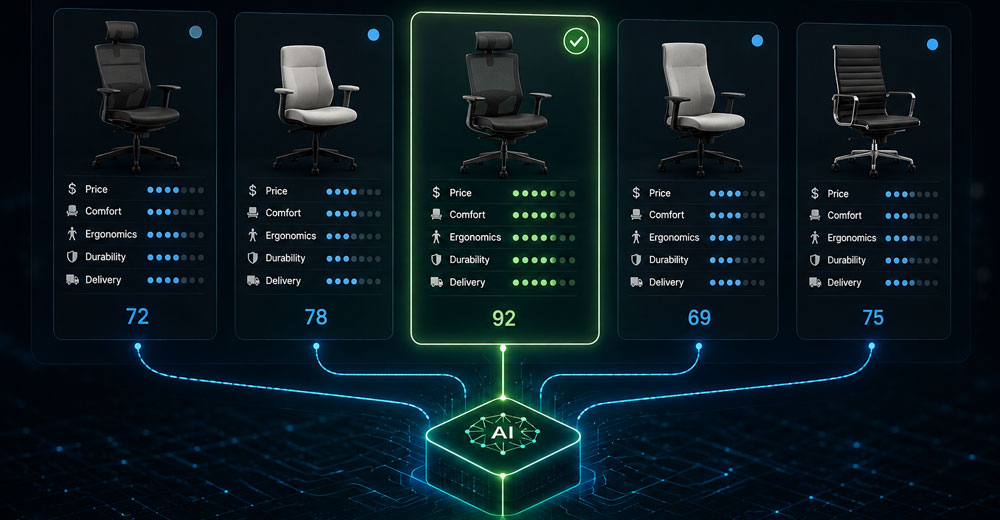
OpenAI is adding specialized shopping features to its ChatGPT chatbot. Some tech watchers see the move as an effort to compete with AI rival Google by creating a better, more personalized experience to find products and information online.

I’d been curious about the performance of mini-PCs, so I finally bit the bullet and replaced an aging laptop and failing desktop with much smaller units.

AMD’s embedded business is gaining momentum with a broad AI-focused portfolio and a modular strategy that could capture market share as Intel stumbles at the edge.

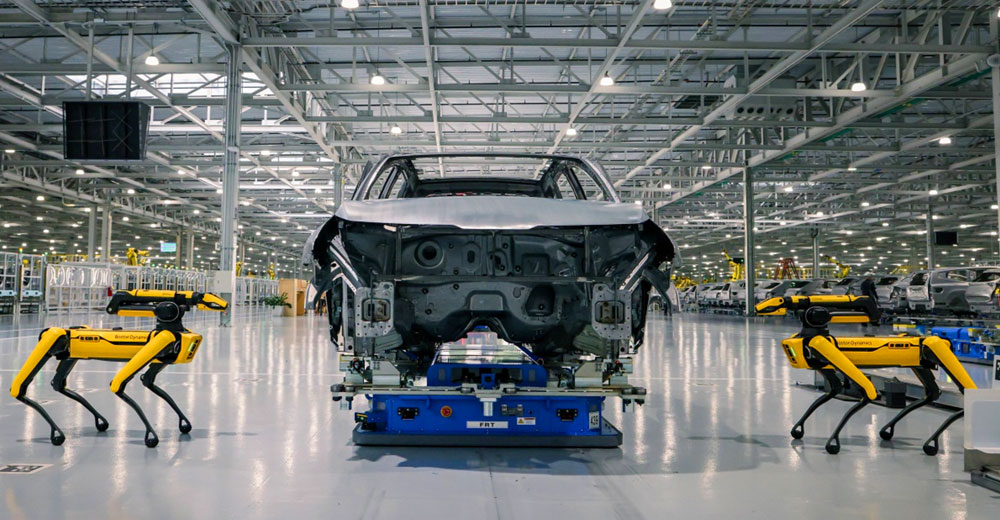
While tariffs create a clear incentive to bring manufacturing back to the U.S., this is far from an easy task. Building up the kind of manufacturing capacity the U.S. once had will take decades, as it did in China.

As attacks grow more sophisticated, the open-source community is racing to close critical security gaps and stop malicious code before it spreads.

At its recent NTT Research Upgrade 2025 event, NTT opted not to lead. Instead, a bold, clear articulation of vision and ambition became a disjointed series of ideas, framed more as academic explorations than strategic imperatives.
R&D cycles for Chinese EVs typically span nine to 18 months. In contrast, many Western automakers require five to seven years to bring a new vehicle from concept to production. If this gap isn’t closed fast, the Western auto industry could become irrelevant by 2030.
 Loading ...