- Welcome Guest
- Sign In
- Welcome Guest
- Sign In
The first wave of AI built the infrastructure. The next will reward organizations that redesign business processes to unlock productivity, innovation, and competitive advantage.

Qualcomm's latest wearable platform could enable smarter devices, but better hardware alone won't drive adoption. Success still depends on design, usability, and products consumers genuinely want.

AI data center demand is tightening memory chip supplies, forcing manufacturers to prioritize AI hardware over consumer devices and raising concerns about higher prices and future shortages.

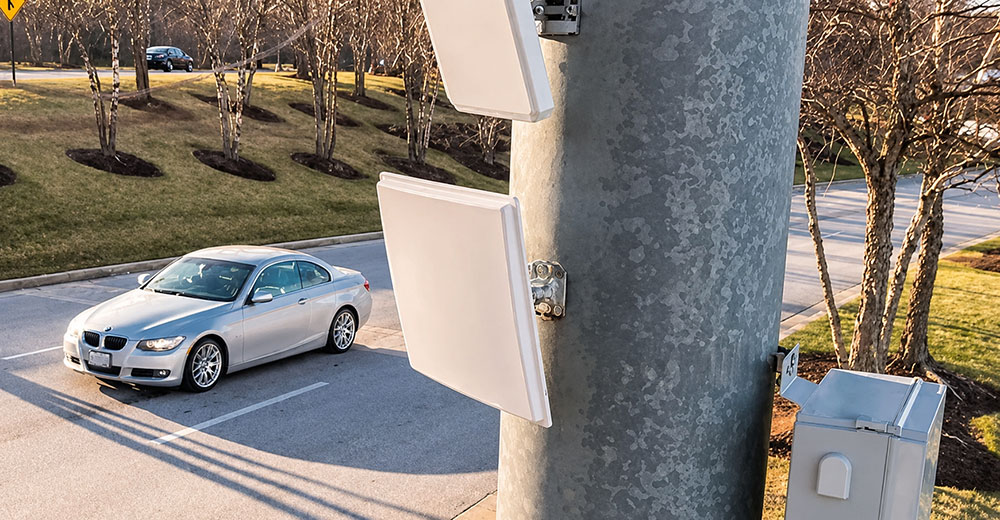
A new automatic license plate reader upgrade links nearby electronic devices to vehicles, raising privacy, Fourth Amendment, and cybersecurity concerns.

As GenAI becomes part of everyday life, online safety depends on AI literacy as much as traditional security habits. New research examines why older adults may be especially vulnerable to persuasive AI-generated deception.

As John Ternus prepares to lead Apple, the company has an opportunity to restore the bold product design that once distinguished its hardware and set the pace for the technology industry.

Flipper One combines Linux, SDR, satellite communications, and open hardware while inviting the community to help shape the device before launch.

Anthropic's clash with regulators over AI export controls raises broader questions about cybersecurity, sovereign AI, and the future of government oversight.

Fox’s plan to acquire Roku is one of those deals that looks obvious only after someone finally has the nerve to do it. The fight for television is no longer just about what people watch. It is about where they decide to watch it.

The Commodore Callback 8020 combines flip-phone nostalgia with modern communication tools for users seeking a simpler mobile experience.

AI search is changing how diners discover restaurants, with Local Falcon research finding many eateries visible on Google Maps are missing from AI-generated recommendations.

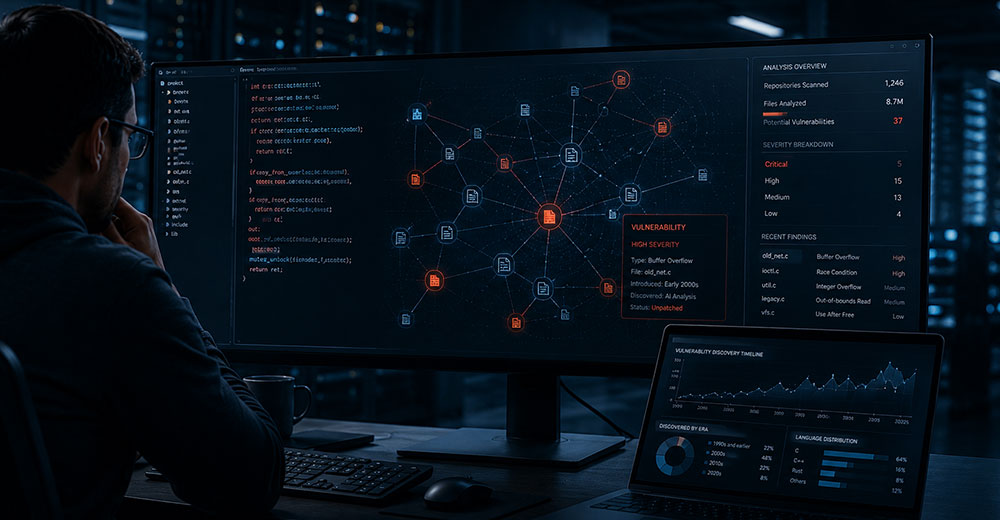
AI can identify threats and speed security analysis, but risk scoring alone cannot determine what software should be allowed to run. Effective prevention requires explainable, policy-driven controls.

Apple used WWDC26 to outline a broader AI strategy that extends beyond Siri, weaving intelligence throughout its apps, services, and devices while maintaining a strong focus on privacy.

Uare.ai founder Rob LoCascio believes the future of AI belongs to individuals who own models trained on their expertise, creating new opportunities for licensing, monetization, and enterprise use.
 Loading ...