- Welcome Guest
- Sign In
- Welcome Guest
- Sign In

China’s indium selenide wafer breakthrough marks a leap beyond silicon. It won’t upend the chip industry overnight, but signals a new phase in the U.S. – China race for next-gen semiconductors.

Intel’s turnaround plan includes major layoffs and outsourcing marketing to Accenture’s AI. Can the chipmaker regain its edge — or is it a risky bet?

Small tweaks to AI model size, prompt length, and compression techniques can deliver major energy savings, according to a new UNESCO report. Experts say that tailoring large language models to specific tasks could reduce energy use by up to 90% while lowering costs and computational overhead.

AI has supported back-office operations in the insurance industry for years. Now, it makes coverage more accessible, transparent, and tailored to the needs of small business buyers.

A claim that desktops are less secure than mobile devices can be true or false, but this depends highly on their configuration. While desktop devices are less secure out of the box, they are more private and can be made more secure than mobile devices.

Unapproved use of generative AI tools is fueling a new cybersecurity blind spot. Known as shadow AI, this rising threat is drawing concern from experts as employees adopt powerful tools without oversight.

Multi-factor authentication, once the standard for secure access, is proving inadequate in today’s threat landscape. As phishing, AI-powered fraud, and MFA fatigue attacks escalate, organizations must shift toward identity security models that are adaptive, decentralized, and resistant to manipula...

AI is driving a new era of hardware disruption, echoing past tech revolutions and raising existential risks for today’s leading chipmakers.

In this article, we’ll walk you through what Microsoft covers (and what it doesn’t), explore real-world data loss scenarios, and explain how SaaS-based protection can help you build a resilient, compliant, and secure email environment.

The shift to Next Generation 9-1-1 is underway, but a new report finds that outdated systems, funding gaps, and rising cyberthreats continue to stall critical upgrades across the U.S.

With open-source tools and strong benchmark results, AMD is challenging the AI market status quo and expanding its role in next-gen performance computing.

IBM has revealed its roadmap for bringing a large-scale, fault-tolerant quantum computer, IBM Quantum Starling, online by 2029, which is significantly earlier than many technologists thought possible.

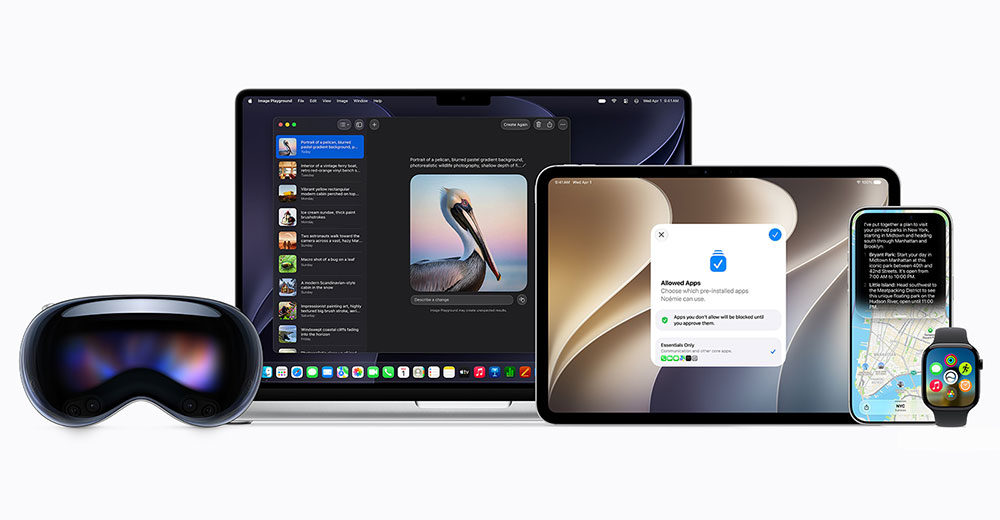
Apple appears to be headed toward unifying its multiple operating systems via a design makeover, and the iPad will start looking more like a personal computer, according to presentations aired Monday at the company's annual Worldwide Developers Conference.

IT leaders are expressing growing concern over the risks of shadow AI, including data leaks, regulatory exposure, and the use of unvetted tools without IT oversight.
 Loading ...