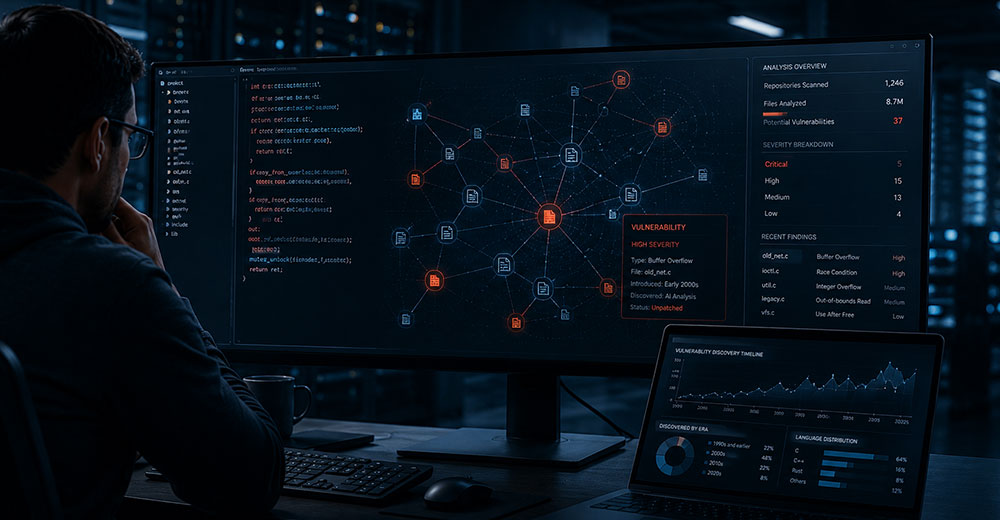

The Chinese People's Liberation Army has set up "information warfare" units to create viruses for use in attacking enemy computer systems and networks, according to a Department of Defense report released Friday.
"The People's Liberation Army (PLA) is pursuing comprehensive transformation from a mass army designed for protracted wars of attrition on its territory to one capable of fighting and winning short-duration, high-intensity conflicts against high-tech adversaries -- which China refers to as 'local wars under conditions of informatization,'" the report says.
Viewed by the PLA as critical to achieving "electromagnetic dominance" early in a conflict, such computer-based weapons also include defensive measures to protect the country's own network systems, according to the report.
A Cyberwarfare Arsenal
Together, the efforts add up to a cyberwarfare arsenal that forms the heart of what PLA theorists call the country's Integrated Network Electronic Warfare strategy to disrupt battlefield network information systems. The PLA began incorporating such technologies into its military exercises in 2005, the report says.
"China's continued pursuit of area-denial and antiaccess strategies is expanding from the traditional land, air and sea dimensions of the modern battlefield to include space and cyberspace," the report notes.
Eyes on Taiwan and Beyond
China has been modernizing its defense systems for several years now, including enhancing its strategic strike capabilities with the DF-31 intercontinental range ballistic missile.
The primary focus of China's military buildup so far has been Taiwan and the potential for conflict in the Taiwan Strait, the report says. "However, official documents and the writings of Chinese military strategists suggest Beijing is increasingly surveying the strategic landscape beyond Taiwan," the report warns.
China became the world's fourth-largest economy in 2006, according to the World Bank.
Ultimately, China "has the greatest potential to compete militarily with the United States and field disruptive military technologies that could over time offset traditional U.S. military advantages," according to the 2006 Quadrennial Defense Review Report.
More of Same
"This is not that new," Johannes Ullrich, chief technology officer at the SANS Institute, told TechNewsWorld. "For several years, it has been a standard part of their doctrine to use cybermeans to defend or attack."
Such technologies are already being used on an ongoing basis for information-gathering and standard espionage, Ullrich added, and the Chinese have proven their ability in the past to get into U.S. military networks.
"But it's difficult to predict the impact if a real military conflict arose," he said, noting that because of economic ties with the United States, "it may not be in their best interest to attack this country" anyway.
'The Next Battleground'
"This is just the next battleground, but it is something we need to take seriously because everything we have is connected to the Internet in one way or another," cybercrime lawyer and security expert Parry Aftab told TechNewsWorld. "The good thing is, the United States has been preparing for this for a long time."
Security technologies put in place both before and since Sept. 11, along with increased fortifications in financial networks today, have a net effect of helping to protect the country, Aftab added.
"It's all about communications," she explained. "The person who has the best communications will win when it comes to any kind of warfare. If you can stop someone else's communications and keep yours flowing, you'll be OK."




















 Loading ...